

Grooming a cat is essential for maintaining its coat health and overall well-being. The frequency of grooming largely depends on the cat’s coat type cat grooming near me. Short-haired breeds require weekly grooming, while long-haired varieties need more frequent attention. Understanding these differences can help prevent tangles and mats. Additionally, grooming fosters a deeper bond between the cat and its owner. To guarantee effective grooming, one must consider the right techniques and tools for their specific cat.

Understanding Your Cat’s Coat Type
Understanding a cat’s coat type is vital for effective grooming and overall care. Each cat can have different types of coats, such as short, medium, or long, which considerably influence their coat maintenance needs.
Short-haired cats typically require less grooming, as their shedding patterns are more manageable, while long-haired breeds often need regular brushing to prevent matting and tangles. Recognizing these patterns is essential, as it helps owners anticipate shedding seasons and adjust grooming routines accordingly.
Additionally, some coats may be denser or more prone to oiliness, necessitating specific grooming tools and techniques Pet Universe Starlux. A thorough understanding of a cat’s coat type allows for a tailored grooming approach, promoting skin health and reducing hair loss in the home.
Grooming Frequency for Short-Haired Cats
Regular grooming for short-haired cats is typically recommended at least once a week to maintain their coat’s health and appearance. This frequency allows for the removal of loose fur and dirt, preventing matting and reducing the likelihood of hairballs.
Short-haired grooming not only enhances the cat’s coat but also promotes skin health by distributing natural oils evenly.
Incorporating a maintenance routine that includes brushing with a soft-bristle brush or grooming glove can be beneficial. This gentle approach encourages bonding and can help identify any skin issues or parasites early on.
Additionally, while short-haired cats require less grooming than their long-haired counterparts, regular attention is essential to keep their coat sleek and shiny. A consistent grooming schedule fosters a clean and healthy environment for the cat, ensuring overall well-being and comfort.
Grooming Frequency for Long-Haired Cats
Long-haired cats typically require more frequent grooming, ideally every two to three days, to maintain their luxurious coats and prevent tangles and mats. Regular grooming not only keeps their fur looking pristine but also promotes skin health by distributing natural oils.
Important grooming tools, such as wide-toothed combs and slicker brushes, are essential for effectively managing their dense fur. Utilizing proper detangling techniques is imperative; starting from the tips of the fur and gently working towards the roots can help prevent breakage.
For severe mats, it may be necessary to use a dematting tool or seek professional assistance. Owners should be patient and gentle during the grooming process, as long-haired cats may be more sensitive to handling.
The Importance of Regular Brushing
Maintaining a consistent grooming routine is essential for all cats, not just those with long hair. Regular brushing plays an important role in promoting a cat’s overall health. It helps reduce the likelihood of mats and tangles, which can lead to skin irritation or infections.
Additionally, brushing assists in controlling shedding, minimizing the presence of fur around the home, and reducing allergens in the environment.
Beyond health benefits, regular grooming can also serve as an important opportunity for bond strengthening between the cat and its owner. The process of brushing can be a calming experience, fostering trust and affection.
Cats often enjoy the attention and the gentle strokes of a brush, which can enhance their emotional well-being. Establishing a routine can create a sense of stability for the cat, further solidifying the bond with their caregiver.
Ultimately, regular brushing is essential for both physical and emotional health.
Bathing Your Cat: When and How Often
Bathing a cat can be a delicate endeavor, often raising questions about necessity and frequency. Generally, most cats do not require frequent baths due to their natural self-grooming behaviors. However, situations such as skin conditions, exposure to harmful substances, or extreme dirtiness may warrant occasional bathing.
When deciding to bathe a cat, it is vital to use appropriate feline bathing techniques to minimize stress. This includes preparing a calm environment, using lukewarm water, and employing gentle, cat-specific grooming products.
Cat grooming products designed specifically for felines can help guarantee the skin and coat remain healthy and free from irritants.
Typically, a bath every few months is sufficient, but consulting a veterinarian for personalized advice based on the cat’s breed and lifestyle is advisable.
Prioritizing the cat’s comfort during the process is essential for maintaining a positive grooming experience.
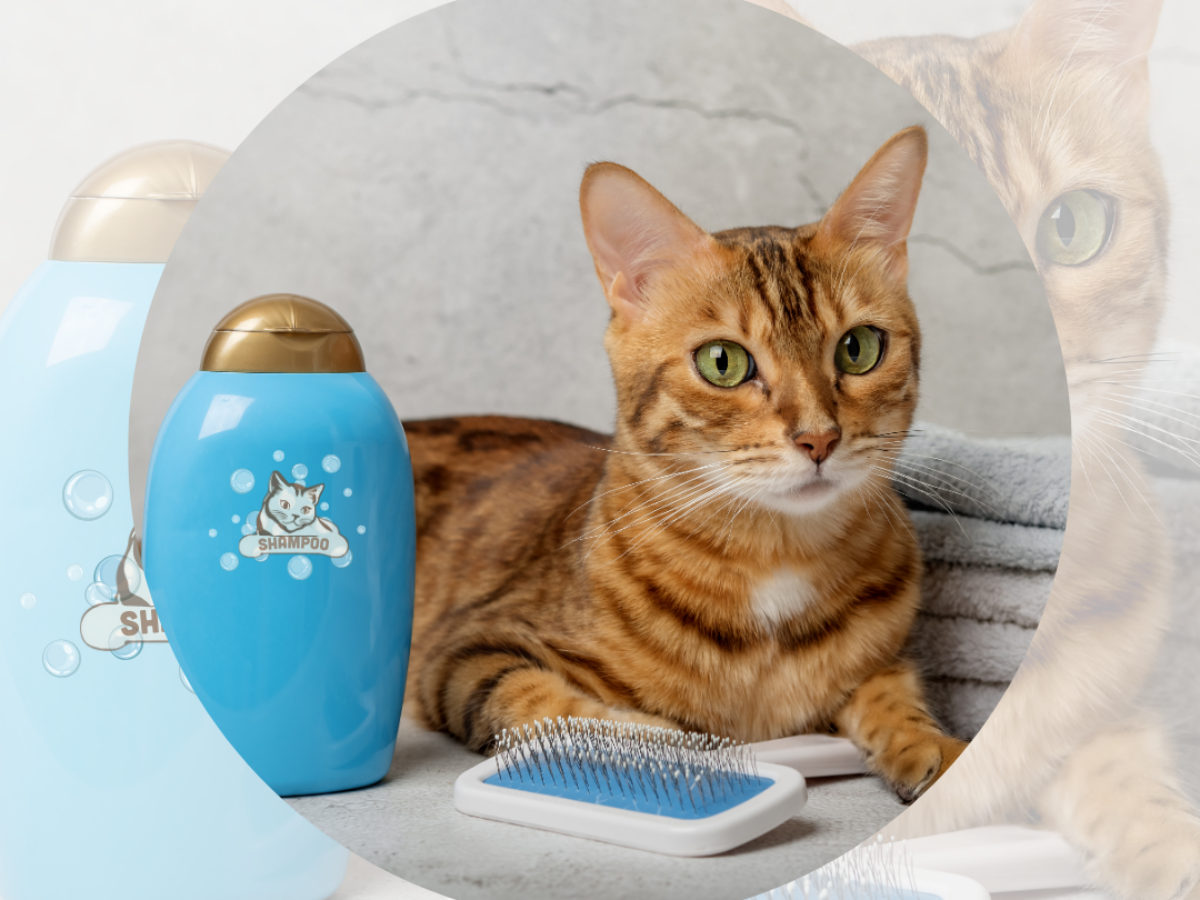
Tips for Making Grooming a Positive Experience
How can cat owners create a stress-free grooming environment for their feline companions?
First, it is essential to choose appropriate grooming tools that suit the cat’s coat type and temperament. Gentle brushes and combs can help minimize discomfort and anxiety.
Establishing a routine fosters familiarity, making cats more comfortable during grooming sessions.
Using positive reinforcement, such as treats or praise, can encourage a cooperative attitude. This approach not only rewards good behavior but also associates grooming with positive experiences.
Setting a calm atmosphere, perhaps with soft music or a quiet space, can further reduce stress levels.
Short, frequent grooming sessions are often more effective than longer ones, allowing cats to acclimate gradually.
Conclusion
To sum up, regular grooming is essential for maintaining the health and well-being of cats, tailored to their specific coat types. Short-haired breeds require weekly grooming, while long-haired varieties benefit from more frequent attention to prevent matting. This practice not only enhances coat condition but also fosters a deeper bond between owner and pet. By understanding grooming needs and employing positive techniques, cat owners can guarantee a pleasant experience for their furry companions, promoting overall happiness and health.